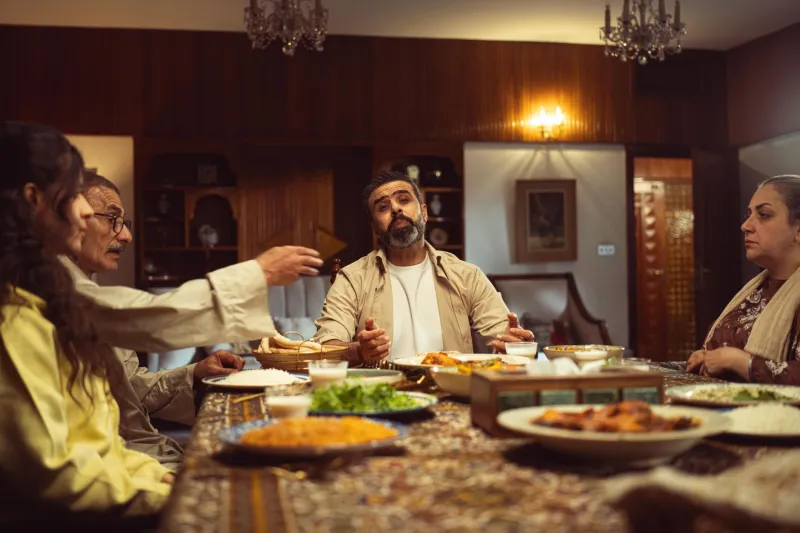
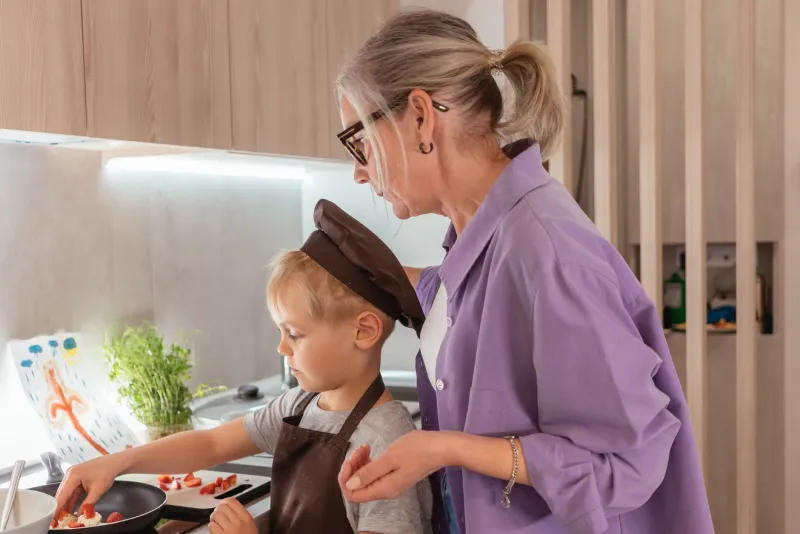
Forks Out, Phones Down: How Young Americans Fell Back in Love With the Dinner Party
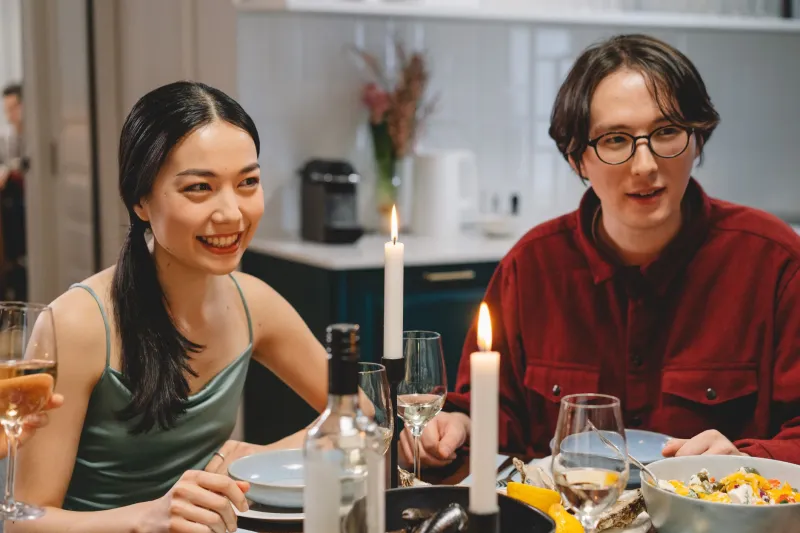
Somewhere between the third unanswered text thread and the fifteenth scroll through a group chat that never actually led to plans, a lot of young Americans quietly made a decision: enough. Not enough with friendship — enough with the hollow performance of it. Enough with the "we should hang soon" messages that evaporate into thin air. Enough with the algorithm deciding what connection looks like.
So they bought tablecloths. They learned how to make a proper playlist. They started sending actual invitations.
The dinner party — that thing your parents did in the '80s with cheese logs and fondue sets — is back. And this time, it's being hosted by people who grew up on Instagram but are increasingly suspicious of what it's done to their social lives.
It Starts With a Table (and a Lot of Intention)
Ask anyone who's recently started hosting and you'll notice a pattern: the decision rarely comes from a place of abundance. It usually comes from a creeping feeling that something's been lost.
Jordan, 28, a graphic designer based in Chicago, threw her first real dinner party two winters ago after realizing she hadn't had a meaningful conversation with a friend in months — despite being constantly "in touch." "I was texting people every day," she says, "but I couldn't remember the last time I actually knew what was going on in someone's life. Like, really knew."
She invited six people. She made a big pot of Moroccan lamb stew and put her phone in a drawer. "It felt almost radical," she laughs. "We sat there for four hours. Nobody left early. It was the best night I'd had in years."
That feeling — the surprise of it, the almost-forgotten warmth of a long meal with people you care about — is exactly what's fueling this revival.
More Than a Meal: Hosting as Creative Expression
What makes this wave of dinner parties distinct from the casual hangs of previous generations is how intentional — and frankly, how artistic — they've become. These aren't potlucks with red Solo cups. They're curated experiences, and the hosts treat them that way.
Themed menus are common. So are handwritten place cards, deliberately assembled guest lists, and playlists that arc across the evening like a soundtrack. Some hosts spend days researching a regional cuisine they want to explore. Others build an entire evening around a single ingredient or a season.
Marcus, 31, who lives in Brooklyn and works in nonprofit communications, describes his dinner parties as "collaborative world-building." He chooses a loose concept — a recent one was inspired by a trip to New Orleans — and builds everything around it: the food, the music, the lighting, even the conversation starters he tucks under each plate. "I'm not trying to be a restaurant," he says. "I'm trying to create a vibe that doesn't exist anywhere else. Something that only happens because of who's in the room that night."
For a lot of hosts, this is the point. The dinner party has become a canvas.
The Guest List Is Part of the Art
One of the more quietly radical things happening at these gatherings is the intentionality around who gets invited. This isn't just about filling seats. Hosts are thinking carefully about chemistry, about mixing people from different corners of their lives, about creating conditions for conversations that wouldn't happen otherwise.
Nadia, 26, a teacher in Atlanta, says she thinks of her guest lists the way a director thinks about casting. "I want people who are going to spark off each other," she explains. "I've introduced people at my dinner table who ended up becoming best friends, or collaborating on a project together. That doesn't happen at a bar. It doesn't happen in a group chat."
There's something almost countercultural about this in an era when social media has made it easier than ever to broadcast yourself to thousands while feeling increasingly disconnected from the handful of people who actually matter.
A Pushback Written in Candlelight
It would be easy to frame this as simple nostalgia — young people romanticizing an era they didn't live through. But that misses what's really going on. This isn't about pretending it's 1975. It's about consciously choosing something slower, something warmer, in direct response to a digital landscape that often feels like it's optimized for everything except genuine human connection.
The apps promised us frictionless socializing. Swipe, tap, post, repeat. And for a while, we believed them. But friction, it turns out, is kind of the point. The effort of planning a dinner party — the grocery run, the recipe you had to attempt twice, the table you had to actually set — is part of what makes the evening matter. You can't screenshot a meal shared with people you love. You can't optimize it. You just have to show up and be in it.
There's also something worth noting about economic and spatial realities. Many young adults in cities are living in smaller spaces than previous generations, often with roommates well into their late twenties and thirties. A dinner party in a 700-square-foot apartment isn't a formal affair — it's people squeezed around a folding table with mismatched chairs, and it's somehow perfect. The setting matters less than the gathering.
What the Table Reveals
Maybe what this trend is really telling us is something about hunger — not just for good food, but for the kind of intimacy that takes time to develop. The kind that requires you to sit still long enough for it to happen.
We've spent years optimizing our social lives for convenience and volume. More followers, more connections, more content. And a lot of us ended up feeling strangely lonely in the middle of all that noise.
The dinner party doesn't fix that, exactly. But it offers something different: a few hours where the only algorithm is the one you built yourself, where the people around you were chosen with care, and where the conversation goes wherever it needs to go without anyone reaching for their phone to fill the silence.
There's a reason people are leaving these evenings talking about them for weeks afterward. It's because they felt real. And real, these days, is genuinely hard to come by.
So if you've been thinking about hosting — pull out the good plates. Light some candles. Text your people an actual invitation with an actual date. Trust that the awkward silences will pass and the good stuff will arrive, as it always does, somewhere around the second course.