Salt, Pepper, and a Side of Politics: How the Dinner Table Became America's Most Honest Conversation Space
It started, like a lot of things, with a grocery store argument.
Maya Okonkwo, a 26-year-old sustainability advocate from Columbus, Ohio, brought home a bag of oat milk and a block of locally sourced tofu for Sunday dinner at her parents' house. Her father, a Nigerian immigrant who spent decades building a life around the idea that a real meal meant real meat, took one look at the counter and laughed. Not meanly — just genuinely confused. "This is food?" he asked.
What followed wasn't a blowup. It was, Maya says, one of the longest and most honest conversations she and her dad have ever had. About sacrifice. About what abundance means when you've known scarcity. About climate anxiety and cultural pride and the complicated space between them.
"The tofu was basically just a door," she says. "Once it opened, we walked through to everything else."
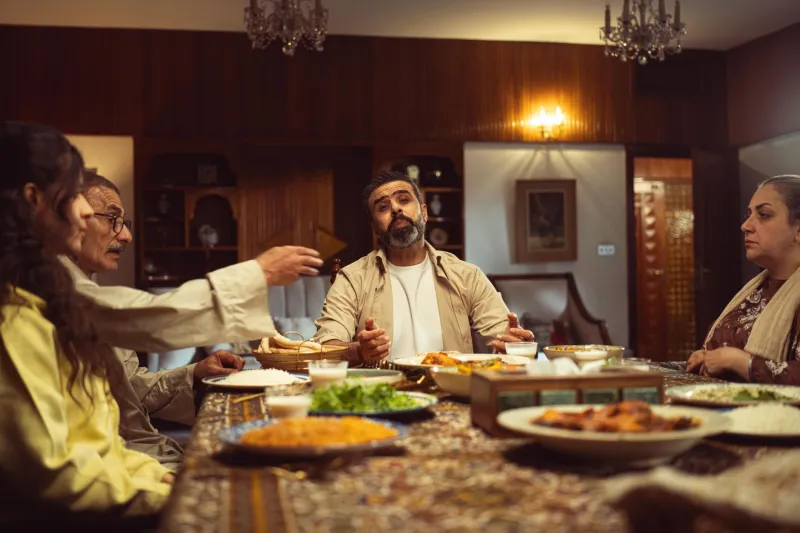
This kind of scene is playing out in kitchens and dining rooms all over America. Families who might otherwise scroll through their phones in parallel silence are finding that food — what we buy, cook, eat, and believe about it — has become one of the most loaded and, paradoxically, most productive conversation starters of our time.
Why Food Works When Words Alone Don't
There's actually science behind why dinner tables feel safer for difficult conversations than, say, a living room standoff or a text thread.
Dr. Sandra Reyes, a family therapist based in Austin, Texas, has spent years watching food do therapeutic heavy lifting in her practice. "Eating together activates a kind of psychological softening," she explains. "When people are sharing a meal, their nervous systems tend to be more regulated. There's a ritual quality to it — passing dishes, pouring drinks — that creates a sense of cooperation before a single hard word is spoken."
She calls it "parallel engagement" — the idea that doing something together, even something as simple as chewing, makes people feel less exposed when vulnerability enters the room. "You're not staring each other down. You're both looking at the food, at the table, at the room. That physical arrangement takes some of the confrontational edge off."
For families navigating real generational chasms — different politics, different values, wildly different relationships to identity — that small psychological buffer can make all the difference.
The Food Fight That Isn't Really About Food
Ask anyone who's sat through a tense holiday dinner and they'll tell you: the argument about whether to go organic, or whether fast food is a treat or a red flag, or whether grandma's butter-heavy recipes are comfort or a health crisis — these debates are almost never just about the food.
Take the Kim family in suburban Atlanta. Eldest daughter Jisoo, 29, went plant-based three years ago after a deep dive into factory farming documentaries. Her mother, who immigrated from South Korea in the '90s, spent years mastering galbi and japchae as acts of love and cultural continuity. The first Chuseok after Jisoo's dietary shift was, by everyone's account, "a lot."
"My mom thought I was rejecting her," Jisoo recalls. "And I understood that. Food is how she shows love. So when I couldn't eat what she made, it felt personal to her, even though it wasn't."
What they eventually worked out — a hybrid table with some traditional dishes and some plant-based adaptations — required real negotiation. And that negotiation, Jisoo says, opened up conversations about assimilation, about what gets preserved and what gets left behind, about how identity evolves across generations. "We talk about stuff now that we never talked about before," she says. "The food was almost like a practice run for honesty."
Reversing the Scroll
Cultural observers have been sounding alarms for years about what screen culture does to family cohesion. The average American family spends less time eating together than any previous generation on record, and when they do sit down, phones frequently compete for attention. The result, critics argue, is a slow erosion of the kind of casual, repeated contact that keeps families emotionally connected.
But there's a counter-movement quietly gaining ground. It's not organized, it doesn't have a hashtag (well, not a dominant one), and it doesn't look like a wellness trend. It looks like a dad asking his college-age kid why she won't eat the chicken he spent three hours smoking. It looks like a teenager asking his grandparents what they actually ate growing up, and being genuinely surprised by the answer.
"Food is one of the last analog things we do together," says Marcus Webb, a cultural commentator and podcast host based in Brooklyn. "You can't really outsource it to an algorithm. You have to be there, physically, and that physicality forces a kind of presence that digital life constantly undermines."
He sees the dinner table debate phenomenon not as a trend but as a correction — a human instinct reasserting itself against the pull of isolated consumption. "When people argue about food, they're really arguing about how to live. And arguing about how to live, together, out loud, is one of the most connective things you can do."
Setting the Table for Something Real
Not every family dinner ends in breakthrough. Some end in eye rolls and changed subjects. A few end badly. Dr. Reyes is quick to note that the dinner table isn't magic — it's just a better-than-average setting. "The meal creates conditions for connection. It doesn't guarantee it. You still have to want to hear each other."
But for families willing to lean into the discomfort — to let the conversation about grass-fed beef become a conversation about economic anxiety, or let the debate over who's cooking become a debate about gender roles — the payoff can be significant.
Maya Okonkwo and her dad still disagree about a lot. He thinks her food choices are a little extreme; she thinks his are a little stubborn. But they've started cooking together on Sunday afternoons, negotiating the menu in real time, and somewhere in that negotiation, something has shifted.
"He made me jollof rice with a vegetarian version last month," she says, still sounding a little amazed. "He didn't tell me he was going to do it. He just did it. And I cried, honestly."
The tofu is still not his thing. But the door it opened? That's stayed wide open.
Some of the most important conversations in American family life right now aren't happening in therapy offices or around carefully scheduled family meetings. They're happening over cooling food, in kitchens that smell like something someone made with their hands, between people who love each other and don't always understand each other — which is, when you think about it, exactly the right place for them to happen.